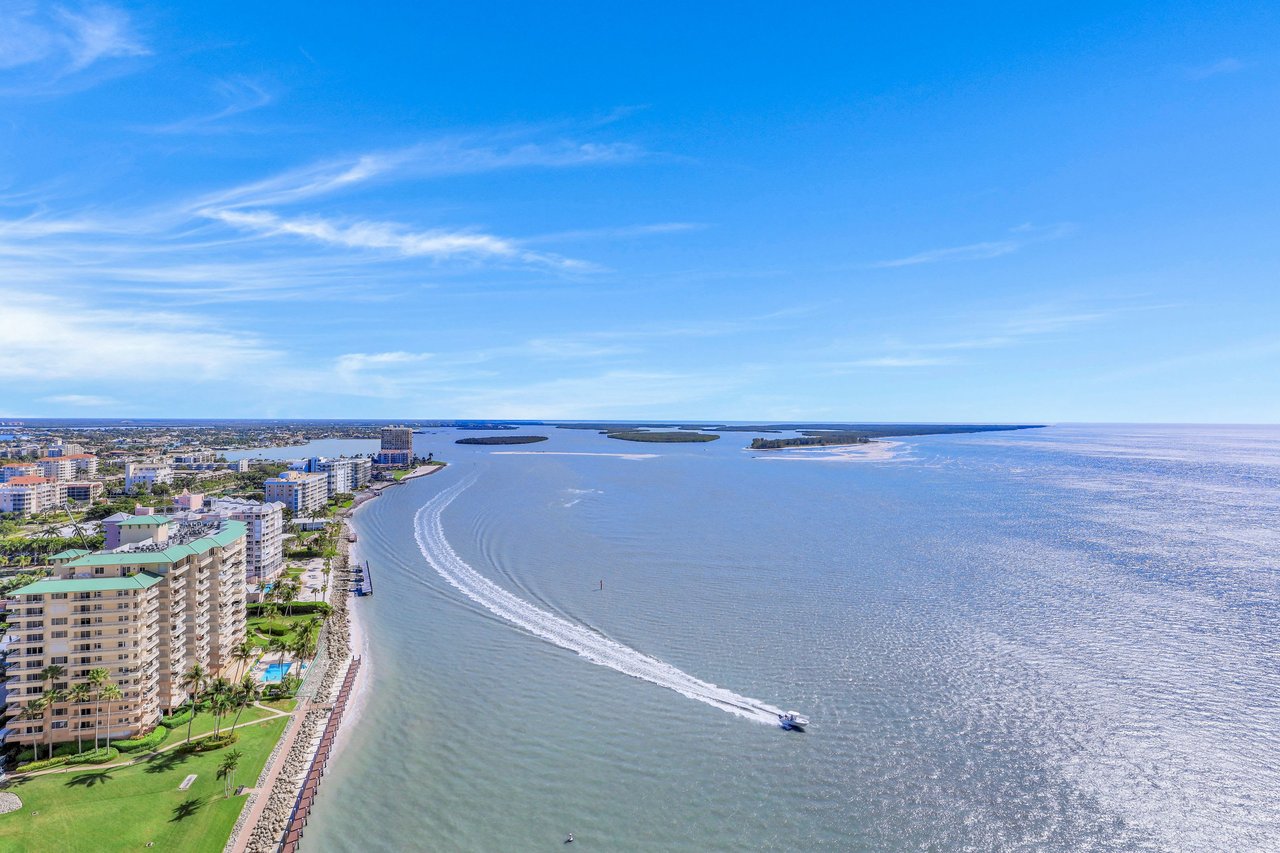
If you are a serious boater, buying in Marco Island’s River Area is not just about finding a waterfront address. It is about finding the right route, the right dock setup, and the right daily experience on the water. When your boat is a real part of how you live, even small details can shape whether a property feels effortless or frustrating. This guide will help you think through the boating questions that matter most in the River Area. Let’s dive in.
Why the River Area Appeals to Boaters
Marco Island is not a typical coastal market. The city describes it as a canal community, and its water geography includes 22 miles of shoreline, six large bays, the Marco River, three creeks, two small islands, and 290 canals.
That matters because buying here means plugging into a true boating ecosystem. Rather than treating waterfront as a simple amenity, you need to look at how a home functions within the larger network of canals, bays, river access, and Gulf routes.
For many buyers, the River Area stands out because it places boating at the center of daily life. You are not just near the water. You are choosing how you want to move through it.
Start With Your Boating Route
For a serious captain, the first planning question is often the most important one: how do you get from your dock to where you actually want to go? In Marco Island, route choice shapes your experience as much as the home itself.
Some owners care most about reaching the Gulf as directly as possible. Others want a more protected run through inland waterways, or easy access for trips toward Naples. NOAA notes that the inland waterway between Marco and Naples is about 11 miles and is marked by lights and daybeacons, which gives buyers another useful boating corridor to consider.
This is why two waterfront homes can feel very different, even if they appear similar on paper. One may better suit quick Gulf outings, while another may feel more practical for inland cruising or a more sheltered boating routine.
Think Beyond the Address
A River Area purchase should be evaluated based on your actual boating habits. If you fish offshore, entertain by boat, enjoy dock-and-dine stops, or make regular runs north, your ideal property may look different from another buyer’s ideal setup.
The smart approach is to match the home to your boating pattern. That means asking where you will go most often, how quickly you want to get there, and what kind of run feels comfortable for your vessel and lifestyle.
Bridge Count Can Change Everything
On Marco Island, many owners pass under one, two, or even three bridges before reaching the Marco River or the Gulf of Mexico. The city publishes approximate clearances for all 14 bridges, which makes bridge planning a key part of any boating-focused home search.
For a serious boater, this is not a minor detail. Bridge count and clearance can affect whether your current boat fits the route, whether a future boat would work, and how much flexibility you really have.
A beautiful home with a private dock may still be the wrong fit if your vessel’s height, configuration, or planned upgrade does not align with the bridges between the property and open water. This is one of the clearest examples of why boating suitability should be reviewed early, not after you fall in love with a house.
Questions to Ask About Bridges
- How many bridges are between the property and the Marco River or Gulf access?
- What are the approximate clearances on that route?
- Does your current vessel fit comfortably?
- Would your next vessel still work from this location?
- Does the route support the kind of boating you plan to do most often?
The Dock Matters as Much as the House
In the River Area, a waterfront home may look ideal from the lanai, but the real test is behind the house. Marco Island’s code defines boat-docking facilities broadly, including docks, walkways, piers, boatlifts, personal watercraft lifts, davits, mooring piles, dolphins, boathouses, nautical garages, and cut-in slips or boat basins.
That broad definition reflects a practical truth. A serious boater does not just need water frontage. You need a setup that works for your vessel, your routine, and the way you use the property.
Existing dock infrastructure can be a major advantage when it aligns with your needs. It can also become a constraint if the dimensions, configuration, or access points do not support your boat well.
Look Closely at the Existing Setup
When comparing River Area homes, pay close attention to the working parts of the property, including:
- Dock layout
- Lift configuration
- Slip or basin style
- Ease of boarding
- Turning room behind the home
- Relationship between the dock and the navigable channel
The practical question is simple: does this setup fit your boat and your style of use today? If not, the next question is whether the property has a realistic path to improvement.
Waterway Width and Turning Room Matter
It is easy to focus on square footage, views, and finishes. For boaters, though, maneuverability can matter just as much.
Marco Island has a formal process for boat-docking-facility extension petitions, and the city’s review asks for details such as waterway width, navigable-channel width, protrusion, setbacks, and vessel length. Those factors are a useful reminder that not all waterfront lots function the same way on the water.
A home can have a dock and still feel tight when backing out, aligning into the channel, or accommodating a larger vessel. If your boat is substantial, or if you value a smoother in-and-out routine, turning room should be part of your buying criteria from the start.
Understand the Local On-Water Pace
Boating in Marco Island comes with a specific local rhythm. The city says idle speed and no wake apply in all canals and bays and within 500 feet of seawalls and beaches.
For buyers, that helps set expectations. Life on the water here often begins at a calm, controlled pace before opening into wider runs.
That can be a plus if you appreciate a more orderly canal environment near home. It also means your boating experience is shaped by both your destination and the stretch of water between your dock and open water.
Marina Access Supports the Lifestyle
Even if you plan to keep your boat behind your home, marina access still matters. Fuel, service, launches, storage options, and social boating patterns are all part of the bigger picture.
Collier County’s Caxambas Park is a public water-access point with easy access to the Northern Ten Thousand Islands or the Gulf of Mexico. Nearby, Rose Marina is described as a full-service marina with slips, wet and dry storage, fuel, charter activity, and direct Gulf access.
Paradise Coast also notes Caxambas Pass Park & Marina as a public launch point with fuel, parking, and boating classes. For many buyers, these nearby facilities add convenience and flexibility to everyday use.
Why Marinas Still Matter for Private-Dock Owners
A strong boating lifestyle often includes more than your own backyard dock. Nearby marina infrastructure can support:
- Fuel stops before or after a longer run
- Launch options for visiting guests
- Service and storage flexibility
- Charter activity and boating culture
- Easy meet-up points for outings
NOAA also notes that Old Marco Village has several marinas. That reinforces the idea that the River Area is part of a larger, highly active boating environment, not an isolated waterfront pocket.
Dock-and-Dine and Day Trips Add Value
For many buyers, boating is as much about lifestyle as navigation. Access to marinas, bayfront stops, and nearby outings can make a home more enjoyable over time.
Paradise Coast lists CJ’s on the Bay as a water-accessible dining stop via the Esplanade docks. Combined with access points toward the Gulf and the Northern Ten Thousand Islands, that gives River Area buyers a strong mix of practical and recreational boating appeal.
If you are evaluating homes through a lifestyle lens, this matters. A property’s value is not only tied to what sits behind the house, but also to how naturally it connects you to the places you enjoy by boat.
What Serious Buyers Should Compare
When you narrow your search in the River Area, focus on the boating details that shape daily use. Luxury finishes are important, but they should not distract from the operating realities of the property.
Use this checklist as you compare options:
- Route to open water
- Number of bridges on that route
- Approximate bridge clearances
- Canal setting versus more direct access patterns
- Existing dock, lift, and slip features
- Turning room and navigable channel relationship
- Access to fuel, launches, and marina services
- Fit for your current vessel and your likely next vessel
This kind of analysis helps you buy with clarity. It also reduces the risk of choosing a home that looks right on land but feels limiting on the water.
Why Local Insight Matters in the River Area
In a boating-driven market like Marco Island, small differences can have outsized impact. Two homes may both be waterfront, yet one may align far better with your vessel, route preferences, and day-to-day boating habits.
That is why local guidance matters so much in the River Area. You want to evaluate not just the home’s design and setting, but also the bridge path, dock configuration, canal geometry, and relationship to the boating corridors you plan to use most.
For a serious boater, that level of detail is not extra. It is the basis of a better purchase decision.
If you are considering a River Area home on Marco Island, a private, informed review of route access, bridges, and dock suitability can make your search far more productive. To explore waterfront opportunities with local insight and discreet guidance, connect with Cathy Rogers.
FAQs
What makes the River Area on Marco Island appealing for serious boaters?
- The River Area benefits from Marco Island’s larger canal-and-bay boating network, with access shaped by canals, the Marco River, nearby bays, and routes toward the Gulf and Naples.
Why do bridges matter when buying a River Area waterfront home?
- Many Marco Island owners pass under one, two, or three bridges before reaching open water, so bridge count and approximate clearance can directly affect whether a home works for your boat.
What dock features should you review in a River Area home search?
- You should look at the dock layout, lift setup, slip style, boarding ease, turning room, and how the dock relates to the navigable channel behind the property.
Can a River Area waterfront property still be a poor fit for a boater?
- Yes. A home may have water frontage and a dock, but limited bridge clearance, tight maneuvering space, or an unsuitable dock configuration can make it the wrong match for your vessel.
Are marinas still useful if you keep your boat behind your home in Marco Island?
- Yes. Nearby marinas and public access points can support fueling, storage, service, launches, boating classes, and everyday convenience as part of the broader boating lifestyle.
Does the River Area support boating beyond Gulf access?
- Yes. In addition to Gulf-oriented routes, NOAA notes an inland waterway of about 11 miles between Marco and Naples, giving buyers another boating corridor to consider.